

- Do Goldendoodles like to swim?
- Key Takeaways
- Why many Goldendoodles enjoy swimming
- Why some Goldendoodles hate swimming
- Fast “Fun vs Stress” Swimming Checklist
- Are Goldendoodles good swimmers?
- How to introduce a Goldendoodle to water safely
- Safety by water type: pools, lakes, rivers, and the ocean
- Post swim routine: ears + coat
- Gear that’s worth it vs gear to skip
- Troubleshooting common Goldendoodle swim problems
- When to call the vet: symptoms that matter
- FAQ
- References
Do Goldendoodles like to swim?
Do Goldendoodles like to swim? Many do, because Golden Retriever and Poodle traits often pair water with play. But it’s not a guarantee. Some Goldendoodles can paddle just fine and still feel uneasy. The clearest test is choice: if the dog walks in on their own and exits calmly, it’s a yes.
Note: This is general pet info and not a substitute for veterinary care.
Quick answers
- Do all Goldendoodles like water? No. Some love it, some tolerate it, some avoid it.
- Are Goldendoodles good swimmers? Often, but “good” means steady paddling and finding the exit, not just floating.
- Do Goldendoodle puppies swim? They can paddle, but short, shallow sessions are safer.
- Pools safe or risky? Safe only with a clear exit like wide steps or a ramp.
- Life jacket needed? Smart for beginners and any open water, current, waves, or drop-offs.
Now, before this turns into a dramatic “dog vs water” story, keep it simple. Liking water depends on early exposure, confidence, and whether the swim setting feels fair. A calm lake edge can be fun. A pool with no easy way out can turn into panic fast. Cold water, waves, and a heavy wet coat can also flip a “maybe” into a hard no.
| Fun signs | Stress signs |
|---|---|
| walks in on their own | stiff body, tucked tail |
| steady paddling | frantic splashing |
| comes back to shore calmly | climbs on people |
Why this matters
Pool steps, lake drop offs, cold water, and floppy ears can turn a “maybe” into a hard no. This guide covers safe first sessions, smart gear like a dog life jacket, and simple after swim ear drying and coat care.
Key Takeaways
- Many Goldendoodles enjoy swimming, but liking water depends on confidence and early exposure.
- Pools are risky without a clear exit. Steps or a ramp matter more than “swim skill.”
- Lakes and ponds add water-quality risks. If it looks or smells wrong, skip it.
- A life jacket helps beginners and reduces fatigue, especially in open water.
- Post-swim drying and brushing prevents most ear and coat problems.
Why many Goldendoodles enjoy swimming
Breed history does some heavy lifting
Goldendoodles often have two parents that were built for water work. Golden Retrievers were bred to fetch birds from water. Poodles were used as water retrievers too. So if your dog looks at a lake like it’s a playground, that’s not random luck.
Play drive makes water feel “worth it”
A lot of Goldendoodles love games: chase, fetch, follow-the-human. Water is just another place to do those things. If your dog already loves carrying a ball around like it pays rent, swimming can click fast.
Body and coat can help or hurt
Some doodles move smoothly in water and stay calm. Others get bothered by a heavy wet coat, cold water, or water in floppy ears. Same breed mix, different experience.
What you’ll notice at the shore
- Confident doodles wade in and test the water
- Cautious doodles hover, paw at it, then back up
Why some Goldendoodles hate swimming
Bad first experiences stick
A Goldendoodle can decide “water is scary” in one moment. Slipping on a pool edge, getting hit by a wave, being carried into deep water, or swallowing a gulp can flip the switch. After that, the dog isn’t being stubborn. The dog is avoiding a repeat.
Some fears are totally normal
A few things commonly trigger a hard pass:
- No clear exit: pools without wide steps or a ramp
- Sudden depth: lake drop-offs that go from ankles to deep fast
- Noise and chaos: splashing kids, barking dogs, boat motors
- Moving water: rivers and strong current feel unsafe right away
Comfort issues can look like fear
Sometimes it’s not fear, it’s discomfort:
- Cold water drains energy fast, especially in smaller dogs
- Wet coat weight can feel weird and tiring
- Ear irritation from trapped moisture can make the whole outing feel awful
What this looks like in real life
- Refuses to enter even when invited
- Paces the shoreline but won’t commit
- Enters, then immediately tries to climb on the nearest human
- Panics when paws can’t touch bottom
The rule that prevents most problems
If the dog won’t choose the water twice, don’t push. The goal is calm confidence, not “getting it over with.”
Fast “Fun vs Stress” Swimming Checklist
Scan this in 10 seconds before you let the session go longer
Goldendoodles don’t “tell” you with words. They vote with body language. Use this quick check so you don’t accidentally train fear.
Fun signs (green light)
- Walks into water without being carried
- Tail is loose (wagging isn’t required, loose is the key)
- Mouth is relaxed, no tight lips
- Paddling looks steady, not frantic
- Turns and returns to shore without panic
- Will re-enter after a short break
Stress signs (yellow light)
- Hovers at the edge, won’t commit
- Whines, freezes, or keeps looking for an escape route
- Stiff body, tucked tail, pinned ears
- Clings to a person or tries to climb up your chest
- Scrambles to get out the second paws can’t touch bottom
- Won’t take treats that are normally “high value”
Stop-now signs (red light)
- Gasping, coughing, choking sounds
- Panicked thrashing or rolling onto the side
- Can’t find the exit and starts circling
- Shaking hard and refusing to move after getting out
One rule that keeps it simple
If stress signs show up, switch to wading only. If red-light signs show up, end the session and reset another day.
Are Goldendoodles good swimmers?
Most can swim, but “good” depends on a few things
A lot of Goldendoodles can swim naturally, especially if they’re confident and have had calm exposure. But “good swimmer” means more than staying afloat. It means the dog can stay level, find the exit, and not burn out fast.
What a good swim looks like
- Body stays mostly horizontal (not upright like a bobber)
- Paddling is even and steady
- The dog can turn and head back without panic
- The dog can exit without help
Common Goldendoodle weak spots
- They tire out quietly. Many dogs don’t look dramatic when they’re getting exhausted.
- They can’t find the way out. Pools are the classic problem. Dogs often miss ladders.
- Wet coat drag. A long, wavy or curly coat can feel heavy and slow them down.
When a life jacket is smart (even for “strong” dogs)
- First-time swimmers or nervous swimmers
- Swimming in lakes, rivers, or the ocean
- Any place with current, waves, or drop-offs
- Long sessions where fatigue can sneak up
- Boating, docks, paddleboards
Life jacket fit check (fast and simple)
- Snug but not tight (two fingers under straps)
- Handle on top lets you lift without grabbing legs
- Chest float helps keep the head up
- Dog can move shoulders freely
Owner mistake that causes the most trouble
Letting the swim “go a little longer” because the dog looks fine. If the dog starts slowing down, taking longer to turn, or aiming for you instead of shore, end the swim and switch to wading.
How to introduce a Goldendoodle to water safely
Start with the easiest water possible
Pick a calm spot with a shallow edge and a gentle slope. Skip waves, slippery rocks, and busy areas. The first goal isn’t swimming. It’s the dog learning, “I can go in and I can get out.”
Teach the exit before the swim
Most panic starts when a dog can’t find a way out.
- In a pool, show the steps or ramp first
- In a lake, walk the same shoreline path in and out a few times
- Reward the dog for choosing the exit, not for going deeper
Use “wade first” sessions
Keep paws touching bottom at the start.
- 3 to 5 minutes of wading
- break on dry ground
- repeat once or twice
Short sessions build confidence faster than one long session.
Make it the dog’s choice
No carrying, no pushing, no tossing.
- Invite the dog in with a happy voice
- Toss a treat on damp sand, not deep water
- If the dog backs up, respect it and try again later
Add support early if you’re unsure
A dog life jacket is great for beginners because it reduces panic and fatigue. It also gives you a handle if the dog suddenly decides, “Nope.”
Simple first-session plan
- Walk the shoreline on leash
- Let the dog step in ankle-deep
- Practice exiting twice
- End while the dog is still calm
Safety by water type: pools, lakes, rivers, and the ocean
Same dog, totally different risks
Goldendoodles can look confident in one place and struggle in another. The water type changes exits, fatigue, germs, and what gets trapped in the coat.
Pool safety
Biggest danger: no easy exit
Dogs often can’t find ladders. They’ll swim along the wall until they’re tired.
Make pools safer
- Use wide steps or a dog ramp
- Keep the dog within arm’s reach the first few sessions
- Practice “go to the steps” like it’s a game
After pool care
- Rinse with fresh water if the dog’s skin gets dry or itchy
- Towel dry the ears and coat so damp spots don’t sit on the skin
Pool Exit Drill (2 minutes)
- Start at the steps or ramp with the dog on leash or a harness.
- Say “steps,” lure with a treat, and reward when paws touch the first step.
- Walk the dog out and back in the same way 3 times.
- Repeat from two different sides of the pool so the dog learns to search for steps, not “that one spot.”
- End the session after one short swim and one clean exit.
Pool-Proofing Checklist
- Fence or barrier is closed
- No unsupervised access (even “just for a minute”)
- Escape option: steps, ramp, or a dog exit device
- Clear rules for kids: no grabbing, no carrying into deep water
Lakes and ponds
Biggest dangers: water quality and surprise hazards
Ponds can hide sharp debris, fishing hooks, and muddy drop-offs. Warm, still water can also mean higher illness risk.
Before letting your doodle in
- If the water looks like green paint, has scum, or smells rotten, skip it
- Don’t let the dog drink from the lake
- Bring fresh water and offer it often
After lake care
- Rinse the coat, then brush once it’s damp-dry to prevent mats
- Check paws for cuts, burrs, and sand
Rivers and current
Biggest danger: fatigue happens fast
Even a “strong swimmer” can get pulled off line by current. Logs, branches, and drop-offs add real risk.
Make rivers safer
- Use a life jacket every time
- Keep a long line on a harness (for control, not dragging)
- Avoid fast-moving water and unknown entries
Ocean and beaches
Biggest dangers: waves, saltwater, and overexcitement
Waves can flip a small or tired dog. Saltwater leads to thirst, and thirsty dogs often drink more saltwater.
Beach rules that help
- Start far from big surf and work up slowly
- Don’t let the dog gulp ocean water
- Watch for overheating: sand and sun add stress fast
After ocean care
- Rinse salt off the coat and paws
- Dry and brush to keep the coat from turning into a tight mat
Post swim routine: ears + coat
Why this step saves headaches
Most swim problems don’t show up in the water. They show up later as itchy skin, tight mats, or sore ears. A 5 minute routine fixes most of it.
Right after the swim
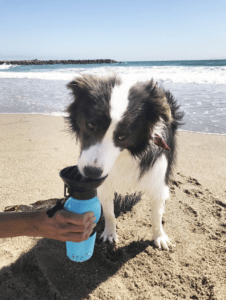
- Offer fresh drinking water so the dog doesn’t gulp pool, lake, or ocean water.
- Do a quick body check: paws, pads, toes, armpits, and belly.
Rinse rules (simple)
- Pool: quick rinse is helpful if the coat feels rough or the skin seems dry.
- Lake or pond: rinse to remove mud and anything stuck in the coat.
- Ocean: rinse the coat and paws well to remove salt and sand.
Ear drying, the safe way
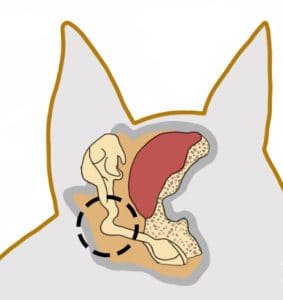
- Towel dry the ear flap and the area around the ear opening.
- Let the dog shake, then towel again.
- Keep the head and ears dry before getting in the car.
- Skip cotton swabs in the ear canal. That can push gunk deeper.
Coat care for doodles
Goldendoodle coats love to hold water and tangle.
| Coat situation | What to do |
|---|---|
| coat is short and smooth | towel dry, quick brush |
| coat is wavy or curly | towel dry, then brush once damp-dry |
| coat is already tangly | rinse, towel dry, brush slowly in sections |
Drying tips that actually work
- Use a towel first. Rubbing too hard can tighten tangles.
- If using a blow dryer, keep it cool or low heat and keep it moving.
- Pay attention to damp zones: ears, neck, armpits, belly, and between toes.
When to call the vet
- Head shaking that doesn’t stop
- Ear odor, redness, or discharge
- Vomiting or diarrhea after lake or pond swimming
- Sudden weakness, wobbling, or acting confused after a swim
Gear that’s worth it vs gear to skip
Worth it: safety and control
- Dog life jacket: helps with float, reduces panic, gives a handle to lift the dog safely.
- Harness + long line: keeps control without yanking on the neck. Great for lakes and beaches.
- Fresh water + travel bowl: stops the “drink the lake” habit.
- Big towel: faster drying means fewer coat and ear problems.
- Brush and comb: a quick brush-out prevents mats from turning into a groomer emergency.
Worth it: pool-specific helpers
- Pool ramp or wide steps: the exit is the whole game in pools.
- A clear “exit cue”: like “steps” or “out” so the dog knows the mission.
Usually skip
- Heavy weighted toys: they can pull a dog deeper and cause panic.
- Anything that encourages long swims: tired dogs don’t always look tired.
- Ear plugs for dogs: many don’t tolerate them, and they can add stress fast.
Quick gear checklist
| Where | Must have | Nice to have |
|---|---|---|
| pool | supervision, exit practice | ramp, life jacket |
| lake/pond | life jacket, fresh water, long line | brush, rinse jug |
| river | life jacket, long line, calm entry | none, keep it simple |
| ocean | life jacket, fresh water, towel | cool shade, brush |
Troubleshooting common Goldendoodle swim problems
My Goldendoodle panics in deep water
- Keep sessions to wading only for now.
- Practice in, out, in, out on the same exit point.
- Add a life jacket and stop deep water until the dog looks calm in shallow water.
My Goldendoodle only likes splashing, not swimming
That’s fine. Splashing still counts as enjoying water.
- Let it stay shallow.
- Play fetch on wet sand instead of throwing toys into deep water.
- Don’t pressure a “real swim.” That’s how splash dogs become no-water dogs.
My Goldendoodle swims but drinks the water
- Bring fresh water and offer it often.
- Take short breaks on shore.
- Avoid rough play that makes the dog gulp.
My Goldendoodle won’t enter unless another dog goes first
- Use a calm, confident dog as a buddy if available.
- If not, walk the shoreline and reward curiosity.
- Don’t drag. The goal is choice.
My Goldendoodle gets ear trouble after swimming
- End every session with towel drying around the ear opening.
- Keep the dog from staying damp in the car.
- If head shaking, odor, redness, or discharge shows up, it’s vet time.
When to call the vet: symptoms that matter
Trust this rule
If a Goldendoodle looks worse over the next few hours instead of bouncing back, treat it as a real problem, not “just tired.”
Ear problems after swimming
Watch for
- Head shaking that keeps happening
- Scratching at one ear
- Ear odor
- Redness, swelling, or discharge
- Crying when the ear is touched
Why it matters
Water can get trapped under a floppy ear and the ear canal can get irritated fast. Waiting a week usually makes it harder to treat.
Stomach trouble after lake or ocean water
Watch for
- Vomiting
- Diarrhea
- Refusing food
- Low energy
- Excessive drooling
Act fast if
- Vomiting or diarrhea is repeated
- There’s blood
- The dog won’t drink water
Breathing trouble after swimming
Watch for
- Coughing that won’t stop
- Noisy breathing
- Gagging
- Extreme tiredness after a short swim
Go in urgently if
- Breathing looks hard or fast at rest
- Gums look pale or bluish
- The dog can’t settle
Skin and coat problems that need help
Watch for
- Hot spots (wet, angry patches)
- Intense itching
- Rash on belly or armpits
- Painful matting close to the skin
What to do now
- Dry the coat completely
- Don’t shave mats at home if skin is tight or irritated (nicks happen fast)
- Call the vet or groomer if mats are pulling the skin
Possible toxic water exposure (treat as urgent)
Red flags
- Weakness, wobbling, confusion
- Tremors or seizures
- Heavy drooling
- Sudden collapse
If any of those show up after pond or lake swimming, it’s an emergency.
FAQ
Do all Goldendoodles like to swim?
No. Many enjoy water, but some dislike it because of fear, cold, heavy wet coat, or bad early experiences.
Can Goldendoodle puppies swim?
Most puppies can paddle, but that doesn’t mean it’s safe. Keep it shallow, warm, and short. Always teach the exit first.
Are Goldendoodles good swimmers?
Often yes, but “good” means steady paddling, staying level, and finding the exit. Fatigue can sneak up on any dog.
Should a Goldendoodle wear a life jacket?
It’s a smart choice for new swimmers, lakes, rivers, ocean, boating, and any place with current, waves, or drop-offs.
Is pool swimming safe for Goldendoodles?
It can be, if there’s a clear exit (steps or a ramp) and constant supervision. Practice “go to the steps” every time.
How should Goldendoodle ears be handled after swimming?
Towel dry the ear flap and around the ear opening, let the dog shake, then dry again. Skip cotton swabs in the ear canal.
What water should a Goldendoodle avoid?
Avoid water that looks like green paint, has scum, or smells bad. Also avoid fast-moving rivers and unknown drop-offs.
How long should a Goldendoodle swim?
Short is better. End while the dog is still calm and strong, then switch to wading or a break.