
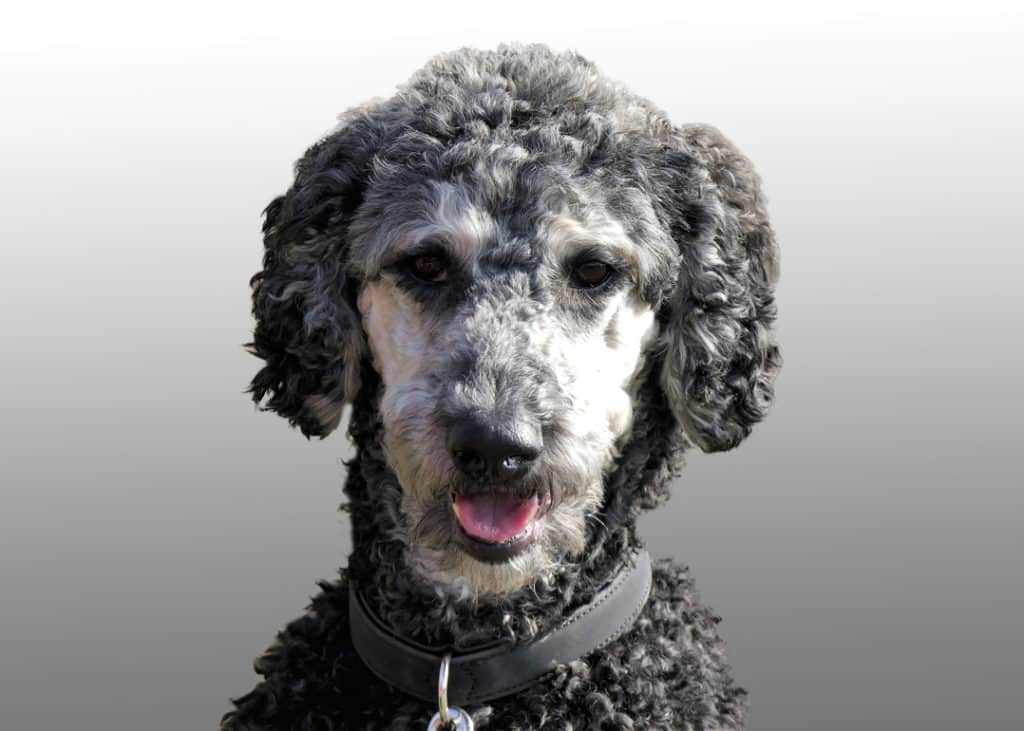
- Your Labradoodle Puppy Going Grey Is Usually Normal
- Key Takeaways
- What “Going Grey” Looks Like in Labradoodle Puppies
- Puppy Coat Versus Adult Coat Changes
- Genetics Are the Main Reason Labradoodles Go Grey
- Sun Exposure and Normal Coat Wear
- When Owners Usually Notice Color Changes
- Does This Mean the Breeder Was Dishonest
- When Grey Fur Can Signal a Health Issue
- What to Do If Your Labradoodle Is Otherwise Healthy
- Bottom Line
- FAQ
Your Labradoodle Puppy Going Grey Is Usually Normal
If your Labradoodle puppy is going grey, especially one that looked jet black at eight weeks, you are not imagining things. This is one of the most common coat changes seen in Labradoodles, and in most healthy puppies, it is completely normal. What you are seeing is usually genetics combined with the natural shift from a puppy coat to an adult coat.
This guide is for owners noticing gradual greying, fading, or silver hairs in a young Labradoodle that otherwise feels great. It is not for sudden hair loss, severe itching, scabbing, or a puppy acting unwell. Those situations call for a veterinary exam.
Key Takeaways
- Labradoodle puppies commonly lighten as they mature
- Genetics, especially from the poodle side, cause most color changes
- Puppy coats are often darker than adult coats
- Gradual greying without other symptoms is usually harmless
- Health issues are rare and usually include multiple warning signs
What “Going Grey” Looks Like in Labradoodle Puppies
Most owners notice coat changes in specific areas first. The face, muzzle, eyebrows, ears, and along the back tend to show lighter hairs before the rest of the body.
Instead of a clean color change, the coat may look smoky or dusty, almost like it has a silver overlay. Black coats often soften into charcoal or grey. Chocolate coats may shift toward a lighter brown with silver tones. Early changes can look uneven and then settle as more adult hair grows in.
This pattern by itself does not indicate illness.
Puppy Coat Versus Adult Coat Changes
Labradoodles go through a noticeable coat transition as they mature.
The puppy coat is usually softer, fluffier, and often darker. As the puppy grows, that coat sheds and adult hair replaces it. Adult hair reflects light differently, especially in wavy or curly coats, which can make the color appear lighter even when pigment levels are healthy.
Most of this transition happens between four months and the end of the first year. In some dogs, the final adult shade does not fully settle until closer to two years of age.
Genetics Are the Main Reason Labradoodles Go Grey
Genetics explain most color changes in Labradoodle puppies.
Many poodles lighten as they mature, and Labradoodles often inherit this trait. In some breeding lines, the lightening follows a predictable pattern often described as fading or silvering. While online discussions often oversimplify this into a single fading gene, coat color expression is controlled by multiple genes working together.
In simple terms, pigment becomes more spread out along each hair instead of staying concentrated. The coat looks lighter, even though the dog is not losing pigment.
This process is normal and harmless. It is not caused by grooming, diet, or owner error.
Sun Exposure and Normal Coat Wear
Sun exposure and everyday wear can also make dark coats appear lighter, especially along the topline. This is sometimes called bleaching. It does not mean the dog is unhealthy or prematurely aging.
This effect is usually mild and works alongside genetics rather than replacing them.
When Owners Usually Notice Color Changes
Many Labradoodle owners spot the first changes during the first year of life. The timing often overlaps with changes in coat texture, grooming schedules, or growth spurts.
Some dogs continue to lighten gradually beyond puppyhood. This slow progression is one reason responsible breeders avoid guaranteeing adult coat color based on an eight week old puppy.
Does This Mean the Breeder Was Dishonest
Usually no.
Puppies are described by the color they are at the time. A puppy that appears black can mature into charcoal, silver, or blue grey. Ethical breeders typically explain that doodle coats can change and that predicting adult color has limits, especially in lines with strong poodle influence.
A lighter adult coat does not mean you were misled.
When Grey Fur Can Signal a Health Issue
Medical causes of coat lightening in young Labradoodle puppies are uncommon, but they should not be ignored if other signs are present.
Contact a veterinarian if greying appears along with:
- Patchy hair loss or thinning
- Persistent itching, redness, odor, or repeated skin or ear infections
- Lethargy, unexplained weight gain, or major behavior changes
- Thickened skin or a widespread decline in coat quality
Systemic conditions can affect coat quality and pigment, but they almost always come with multiple symptoms. Color change alone is rarely a warning sign. Conditions like hypothyroidism are far more common in adult dogs than in puppies.
What to Do If Your Labradoodle Is Otherwise Healthy
If your puppy is eating well, active, playful, and comfortable, and the only change you notice is lighter hair, this is almost always normal development.
Helpful steps include:
- Taking photos every few weeks in the same lighting
- Asking your breeder about adult coat colors in parents and grandparents
- Looking at littermate photos between six and eighteen months
This gives you a clear timeline and useful context if you ever need professional input.
Bottom Line
A Labradoodle puppy going grey is usually the result of genetics and normal coat maturation, not illness and not a sign that something went wrong. Gradual color change in a healthy puppy is cosmetic. Sudden changes combined with itching, hair loss, skin problems, or low energy deserve veterinary attention.
If the change is slow and your puppy feels great, the coat is simply growing up.
FAQ
Why is my black Labradoodle puppy turning grey?
Most black Labradoodle puppies lighten because their adult coat replaces the puppy coat. Poodle genetics often cause fading or silvering as the coat matures, especially during the first year.
When do Labradoodle puppies start changing color?
Many Labradoodles start showing lighter hairs between 4 and 8 months old. The shade can continue to shift until around 18 to 24 months.
Do all Labradoodles go grey?
No. Some keep a darker coat. Dogs with curlier coats and stronger poodle influence tend to lighten more than dogs with straighter coats.
Can sun make a Labradoodle coat look grey?
Yes. Sun exposure can make black coats look lighter, especially along the back. This is usually mild and often happens along with genetic fading.
Is a greying Labradoodle puppy a sign of a health problem?
Usually not. Greying alone is typically cosmetic. Call a veterinarian if it happens with hair loss, itching, skin odor, repeated infections, low energy, or major weight changes.
Can diet or shampoo stop my Labradoodle from going grey?
No. Genetics drive most coat color changes. Food and grooming can support coat health, but they will not stop genetic fading.