
- Do Goldendoodles Like to Fetch?
- So, Do Goldendoodles Like to Fetch?
- Why Some Goldendoodles Love Fetch (And Others Don’t)
- Common Fetch Problems Goldendoodle Owners Deal With
- How to Teach a Goldendoodle to Fetch
- How Much Fetch Is Enough for a Goldendoodle?
- Fetch Alternatives If Your Goldendoodle Doesn’t Care
- Troubleshooting Fetch Problems (Quick Fixes That Actually Work)
- Frequently Asked Questions About Goldendoodles and Fetch
- The Bottom Line on Goldendoodles and Fetch
Do Goldendoodles Like to Fetch?
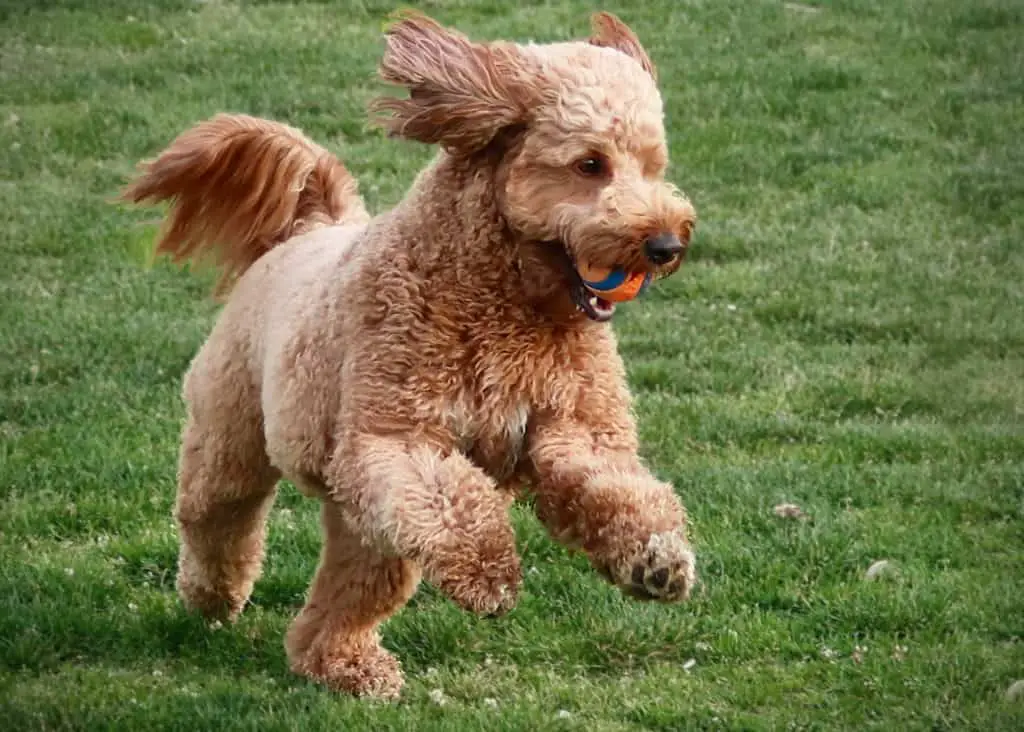
If you’re asking this, you’ve probably done the classic move. You threw a ball. Your Goldendoodle chased it. Then they either (A) brought it back like a little athlete, or (B) stood there chewing on it like you just handed them a winning lottery ticket.
So yes, a lot of Goldendoodles do like fetch. They’re usually playful, they like to run, and plenty of them have that “chase the thing” instinct. The weird part is the “bring it back” part. That’s where some Goldendoodles turn into independent thinkers. Which is a polite way of saying they do whatever they want.
In this guide, you’ll learn:
- why some Goldendoodles love fetch and others act insulted by it
- how to teach fetch step by step without turning it into a wrestling match
- what to do if your dog keeps the ball, drops it halfway back, or quits after one throw
Spoiler alert: you’re not failing. Your dog just has opinions.
So, Do Goldendoodles Like to Fetch?
Yes, most Goldendoodles like fetch, or at least they like the part where something moves and they get to chase it. That’s the easy part. The harder part is getting a clean “grab it, bring it back, drop it, repeat” routine like you see in those videos where the dog looks like it pays taxes and keeps a planner.
Here’s the honest answer you can take to the bank:
- Many Goldendoodles enjoy fetch because they’re usually playful and social, and a lot of them have Golden Retriever DNA that leans toward chasing and carrying things.
- Not every Goldendoodle loves fetch, and even the ones that do might only like it in short bursts. Some would rather play keep-away, tug, or sniff every blade of grass like it contains a secret message.
- If your Goldendoodle won’t fetch, it’s usually not because they’re stubborn. It’s because they don’t understand the “return” part yet, they’re distracted, or fetch just isn’t their favorite game.
If you’re sitting there thinking, “Okay, but why does mine chase the ball and then run off like a furry little criminal,” yeah. That’s common. And fixable.
Why Some Goldendoodles Love Fetch (And Others Don’t)
Before we blame your dog’s personality, let’s get the obvious out of the way. Goldendoodles are not one single, predictable thing. They’re a mix. And sometimes that mix works in your favor, and sometimes it gives you a dog that looks at a tennis ball like it personally wronged them.
A lot of Goldendoodles enjoy fetch because of their Golden Retriever side. Retrievers were bred to chase things, pick them up, and bring them back to humans who didn’t feel like walking. That instinct is real, and when it shows up, fetch usually clicks pretty fast.
Now, here’s where things get weird.
The Poodle side can change the game. Poodles are smart. Like, “I already did that once, why are we doing it again?” smart. Some Goldendoodles decide fetch is boring after three throws. Others decide the real fun part is keeping the ball and watching you negotiate like you’re buying a used truck.
Then there’s personality. Some Goldendoodles are people-pleasers. Others are independent thinkers. And some wake up one day loving fetch and the next day act like they’ve never seen a ball in their life. I’m sure a lot of you are going, “Yeah, that checks out.”
Generation can play a role too. You’ll hear people say things like F1, F1B, multigenerational, like it’s a crystal ball. It helps a little, but it’s not magic. Two Goldendoodles from the same litter can act completely different when it comes to fetch. One brings the ball back every time. The other runs victory laps like they just won the Super Bowl.
So if your Goldendoodle doesn’t love fetch right away, it doesn’t mean anything is wrong. It just means you’re dealing with a dog that has opinions. And unfortunately, they don’t pay rent.
Common Fetch Problems Goldendoodle Owners Deal With
If your Goldendoodle is not playing fetch the “right” way, welcome to the club. Fetch is simple in theory. In real life, it’s a bunch of tiny skills stacked together. Chase. Grab. Return. Release. Repeat. Miss one step and your “fetch” turns into “you throw it and your dog freelances.”
They chase it, grab it, then just stand there
This is the dog version of “I did my part.” They like the chase, but they don’t understand that the game continues when they come back to you.
What’s usually going on:
- returning is not rewarding yet
- they are unsure what you want
- they are distracted by literally everything
What it looks like:
- they hold the ball and stare at you
- they chew it like it’s a stress toy
- they wander around like they forgot why they picked it up
They run off with the ball and will not come back
This is the classic “keep-away” routine. Your dog is not broken. They just figured out a more entertaining game where you are the loser.
Common causes:
- recall is not solid yet
- the dog thinks the prize is possession, not the fetch cycle
- you chase them, which makes it more fun for them
If you have ever jogged after your dog saying “come here” in a voice that sounds like panic, yeah, you accidentally trained this.
They bring it back… but not all the way
Halfway returns are super common. Some dogs are not confident about the handoff. Others are trying to keep the toy close but still kind of participate, like a kid who “shares” by holding the thing out of reach.
Common reasons:
- they do not know “drop it”
- they do not trust that they will get the toy back
- you tend to grab at them or snatch the toy
They drop it, then grab it again before you can throw
That quick drop-grab move usually means your dog is excited and does not understand the rules yet. Also, some Goldendoodles just like being dramatic.
This tends to happen when:
- they are amped up and rushing
- you are throwing too fast, so they never learn a clean release
- the toy is more valuable than you are in that moment, which is rude but honest
They do one or two throws, then quit
This one annoys people because it feels personal. It’s usually not.
Possible reasons:
- low toy drive (some dogs just are not ball people)
- they get bored fast and want variety
- they are tired, overheated, or overstimulated
- the environment is too distracting
Also, some Goldendoodles treat fetch like dessert. A little is fun. A lot is not happening.
How to Teach a Goldendoodle to Fetch
You can’t really “teach fetch” as one thing. You’re teaching a chain of little habits. Chase. Pick up. Come back. Let go. Repeat. If any link in that chain is weak, your dog will improvise. And their improvisation usually looks like theft.
Here’s a simple way to teach it that does not require you to sprint around the yard like you’re late for work.
Start in the easiest place possible
If you start in a big open yard with squirrels, leaves, neighbors, and the smell of someone grilling two blocks over, you’re setting yourself up for disappointment.
Do this instead:
- use a hallway
- use a small fenced area
- keep it boring on purpose
Less space means fewer ways for your dog to turn this into “keep-away.”
Use the right toy
Not every Goldendoodle cares about a tennis ball. Some prefer:
- a soft ball that’s easier to carry
- a plush toy they can grab
- a short tug toy
- a retrieval bumper
If they will not pick it up, it’s not a fetch problem yet. It’s a toy interest problem.
Teach interest before distance
Throwing it far does not make a dog learn faster. It just gives them time to forget you exist.
Try this:
- Show the toy. Get them interested.
- Toss it 3 to 6 feet.
- The second they pick it up, get excited and move backward a step or two.
Moving backward is a simple trick that pulls them toward you. A lot of dogs follow movement better than they follow words. Obviously.
Reward the return, not the chase
Most people cheer when the dog runs out. That part is already fun. You want the dog thinking, “Coming back is where the good stuff happens.”
When they come toward you with the toy:
- praise
- offer a treat
- or offer a quick tug for one or two seconds
You’re paying them for the return. Not for the sprint.
Teach a clean “drop it” without a fight
If you pry the toy out of their mouth, you’re teaching them to clamp down harder next time. Dogs are not dumb. They just act like it sometimes.
Do this instead:
- hold a treat right by their nose
- say “drop it”
- the moment the toy falls, mark it with praise and give the treat
- then give the toy back or throw it again
The lesson is: “Dropping the toy does not mean the fun ends.”
Keep sessions short and quit early
This is the part people ignore. They keep going until the dog loses interest, then they wonder why the dog loses interest faster the next day.
Try:
- 5 minutes
- 6 to 10 throws
- stop while your dog still wants more
You want your Goldendoodle thinking, “Hey, what happened to my game?” not “Thank God, it’s over.”
The two-toy swap trick for ball hogs
If your dog runs off and refuses to return:
- keep two toys the same or equally exciting
- throw toy #1
- when they grab it, show toy #2
- when they come back, toss toy #2
- pick up toy #1 while they chase #2
This teaches a smooth cycle without you chasing them like a maniac.
How Much Fetch Is Enough for a Goldendoodle?
This is where people tend to overshoot. Fetch feels efficient. You throw a ball, the dog runs like a maniac, and you stand there feeling productive. But more fetch is not always better, especially with a dog that will gladly run until their brain shuts off.
Most Goldendoodles need a solid amount of daily activity. Walks, play, training, sniffing, the whole deal. Fetch can be part of that, but it should not be the entire plan unless you enjoy chaos.
Here’s a realistic way to think about it.
Fetch is exercise, not magic
Fetch burns energy fast. That’s good. It also ramps dogs up fast. That’s where people get into trouble.
Signs fetch is doing its job:
- your dog is happily tired afterward
- they settle easier at home
- they still listen to you during the game
Signs you’ve gone too far:
- zoomies turn into bitey behavior
- your dog stops responding to cues
- heavy panting that doesn’t slow down
- sloppy movement or tripping
- sudden “I’m done” behavior where they just flop
If your dog looks like a toddler who missed a nap, that’s your cue.
Short sessions beat long marathons
You do not need 45 minutes of fetch. That’s how dogs end up overheated or injured while still begging for more because their brain never got the memo to stop.
Try this:
- 5 to 10 minutes per session
- once or twice a day
- mix it with walks or training instead of stacking it all at once
This keeps fetch fun instead of frantic.
Weather matters more than people think
Goldendoodles have coats that trap heat. That cute fluff works against them when it’s warm.
Be careful when:
- it’s hot
- it’s humid
- the sun is beating down
If it’s uncomfortable for you to stand outside doing nothing, it’s probably too much fetch weather. Dogs are bad at self-regulating. You’re the adult here. I know, disappointing.
Mental work still counts
Here’s the part people ignore. A tired brain can calm a dog faster than tired legs.
If your Goldendoodle is still bouncing off the walls after fetch, it doesn’t mean you failed. It usually means they need:
- training practice
- scent games
- puzzle toys
- calm structured play
Fetch should take the edge off, not replace everything else.
Fetch Alternatives If Your Goldendoodle Doesn’t Care
Some Goldendoodles just aren’t fetch fans. You can throw the ball fifty times and they’ll still look at you like, “So… you’re going to pick that up, right?”
That’s not a moral failure. It just means your dog has different “fun wiring.” Here are games that usually work better.
Tug
Tug is great because it’s interactive. Your dog is not running off solo doing their own thing. They’re playing with you, which is the whole point.
Basic rules that keep tug from turning into chaos:
- keep it short, like 30 to 60 seconds at a time
- ask for a quick sit before you restart
- teach “drop it” so you’re not bargaining like you’re at a flea market
If your Goldendoodle likes tug, you can use tug as a reward for training, too.
“Find it” (the easy brain game)
This is one of the simplest ways to tire out a smart dog without needing a football field.
Try this:
- hold a few treats
- toss one a few feet away and say “find it”
- once they get it, toss another in a different direction
- after a few rounds, start hiding treats behind chair legs or near doorways
The sniffing does a lot of the work. Your dog uses their brain, and you don’t have to throw anything.
Scent games with a toy
If your dog likes toys but not fetch, you can still use that.
- show them the toy
- have them sit
- hide it in another room
- release them to “go find”
This scratches the hunting and problem-solving itch without the boring “bring it back” part.
Food puzzles and slow feeders
Some Goldendoodles would rather solve a snack problem than chase a ball. Honestly, same.
Good for:
- rainy days
- dogs that get overstimulated outdoors
- owners who just want five minutes of peace
If you have a dog that gets mouthy after high-energy play, puzzles can be a calmer way to drain energy.
Training mini-sessions
This sounds less fun until you try it. Five minutes of training can wear out a Goldendoodle better than you’d expect.
Pick one:
- sit stays
- place training
- recall games in the house
- loose leash practice in the yard
Keep it short. Pay them well. Quit early. You want them begging for more, not checking their imaginary watch.
Troubleshooting Fetch Problems (Quick Fixes That Actually Work)
This is the part people scroll to when fetch has already gone off the rails. No judgment. Let’s fix the common stuff without turning it into a full-blown training seminar.
If your Goldendoodle won’t pick the ball up at all
This is not defiance. It’s usually confusion or low interest.
Try this:
- switch to a softer toy or something plush
- reward any mouth contact, even a quick grab
- roll the ball instead of throwing it so it moves slower
Some dogs need to learn that touching the toy is worth something before fetch even exists as a concept.
If your Goldendoodle picks it up but won’t bring it back
This is the most common complaint by a mile.
What helps:
- stop chasing your dog, seriously
- back up and act excited when they have the toy
- use the two-toy swap if they freeze or turn away
- practice in a small space where escape routes are limited
If coming back to you never pays off, your dog has no reason to do it. They are not sentimental.
If your Goldendoodle drops it halfway back
This usually means they’re unsure about the handoff.
Fix it by:
- praising the movement toward you, not just the drop
- taking a step back as they approach
- rewarding when they get closer than last time
Do not reach for the toy early. That turns the drop into a defensive move.
If your Goldendoodle grabs the ball and won’t let go
Clamping down usually means they think you’re about to steal it forever.
Instead of pulling:
- present a treat near their nose
- say “drop it”
- reward the drop immediately
- then throw again or hand the toy back
The lesson is simple. Dropping the toy does not end the game. It keeps it going.
If fetch turns into jumping, nipping, or chaos
That’s overstimulation. Your dog’s brain clocked out.
Do this:
- shorten sessions
- slow the pace
- add a pause between throws
- ask for a sit before restarting
If your Goldendoodle looks wired instead of happy, it’s time to stop, not power through.
If your Goldendoodle loses interest after one or two throws
This one hurts feelings, but it’s normal.
Possible reasons:
- fetch is boring to them
- they prefer interaction, not solo running
- the environment is too distracting
- they are already tired
Switch games. Tug, scent work, or training might hit better. Fetch is not mandatory for a good dog.
Frequently Asked Questions About Goldendoodles and Fetch
These are the questions people ask right before they Google something like “is my dog broken.” Short answer: no.
Are Goldendoodles natural fetchers?
Some are. Some aren’t. A lot of them enjoy chasing things, but the full fetch loop has to be taught. Having retriever genes helps, but it does not guarantee anything. Genetics load the dice. Training decides how the game actually goes.
Why does my Goldendoodle chase the ball but not bring it back?
Because chasing is fun and returning has not paid off yet. Your dog is doing the part they understand. Once coming back consistently leads to treats, praise, or another throw, this usually clears up.
What age can you teach a Goldendoodle to fetch?
You can start introducing fetch-style games as early as puppyhood, usually around 8 to 10 weeks, but keep it gentle and short. Real consistency tends to click later, closer to 5 or 6 months, when attention spans improve and chaos levels drop slightly. Slightly.
Is fetch good exercise for Goldendoodles?
Yes, when it’s done in short, controlled sessions. Fetch burns energy fast, which is helpful, but it can also push dogs into overdrive. Balance it with walks, sniffing, training, and calmer play so your dog does not turn into a caffeinated raccoon.
What if my Goldendoodle hates balls?
Then balls are off the menu. Try tug, scent games, food puzzles, or training-based play instead. A dog does not need to play fetch to be healthy or well-exercised. They just need something that works for their brain and body.
The Bottom Line on Goldendoodles and Fetch
Most Goldendoodles can learn to enjoy fetch. Many already do. Some will tolerate it. A few will never care, no matter how many tennis balls you buy.
If your dog loves fetch, great. Use it wisely, keep sessions short, and stop before things get wild.
If your dog does not love fetch, that’s fine too. You are not required to force it. There are plenty of other ways to burn energy without negotiating over a slobbery ball.
The real win is not perfect fetch form. It’s a dog that’s exercised, engaged, and not chewing your furniture out of boredom.